 Druk Asia
Best Time to Visit Bhutan: Weather, Festivals and Seasons
The best time to visit Bhutan is generally March to May and September to November. These months bring comfortable weather for sightseeing, excellent conditions for hiking and trekking, colourful landscapes and some of Bhutan’s most important festivals.
But there is no single perfect month for everyone.
October is excellent if you want clear mountain views and comfortable walking weather. March and April are ideal for spring flowers and festivals.
November and December bring crisp skies and excellent photography conditions. Summer offers lush green valleys and fewer visitors, while winter is particularly rewarding for travellers who enjoy quieter journeys and want to see black necked cranes in Phobjikha Valley.
Bhutan is a year round destination, so the best time for your trip depends on what you would most like to experience.
Best Time to Visit Bhutan at a Glance
| Travel interest | Recommended time |
| Best overall weather | March to May and September to November |
| Festivals | March to April and September to November |
| Trekking | April to May and September to November |
| Clear Himalayan views | October to December |
| Spring flowers | March to May |
| Black necked cranes | November to February |
| Lush green landscapes | June to August |
| Photography | October to December |
| Fewer visitors | December to February and June to August |
| Warmer temperatures | May to September |
| Birdwatching | March to May |
| Rice terraces and harvest scenery | September to October |
If this is your first trip to Bhutan and you have flexibility with your travel dates, April, May, October and November are particularly easy months around which to plan a cultural journey.
When Is the Best Time to Visit Bhutan?
For most first time travellers, spring and autumn are the easiest seasons to recommend.
Spring runs from March to May and brings warmer temperatures, flowering landscapes and excellent conditions for cultural sightseeing and outdoor activities.
Autumn runs from September to November. After the summer rains, clearer skies return and the valleys begin changing from deep green to the golden colours of the harvest season. It is also one of the major festival periods.
Bhutan's weather varies considerably according to elevation. Conditions in subtropical southern Bhutan can be very different from those in Paro, Thimphu, Punakha, Gangtey and the high Himalayan regions.
This means you should consider your actual itinerary rather than choosing your travel month based on temperature alone.
If you are planning your trip around particular weather conditions, read our Bhutan Weather by Month guide for a detailed month by month breakdown.
Spring in Bhutan
March, April and May
Spring is one of the most beautiful times to travel to Bhutan.
As winter recedes, the valleys become greener and forests gradually fill with rhododendrons, magnolias and other flowers. Temperatures become increasingly comfortable for walking and sightseeing, while the higher mountains can still retain snow.
Spring is particularly suited to travellers interested in festivals, trekking, nature, photography and birdwatching.
Bhutan's official tourism authority identifies March through May as the peak season for birding activities, with a remarkable variety of species found across the country's forests and protected areas.

What to Experience in Spring
See Bhutan in Bloom
Rhododendrons and other wildflowers begin appearing across Bhutan's forests and mountain slopes during spring.
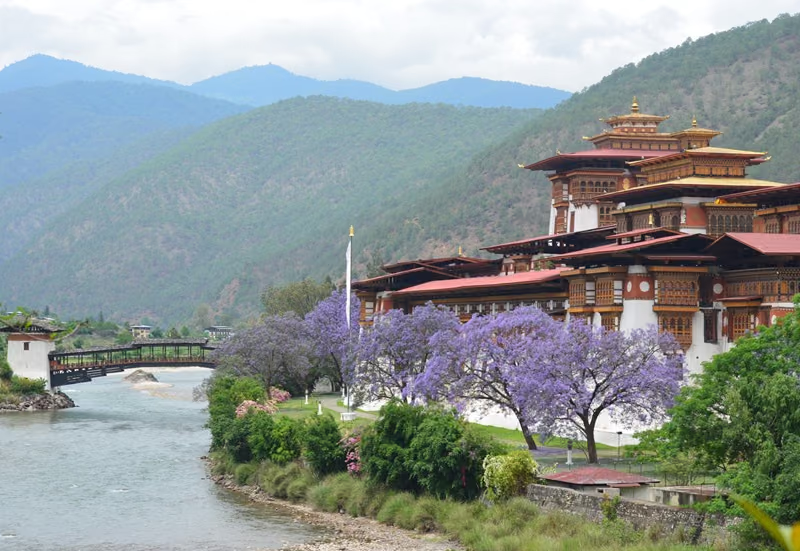
Around Punakha, the flowering jacaranda trees around Punakha Dzong are another beautiful seasonal sight, usually associated with the later part of spring.
Nature lovers can also travel through areas such as Dochula, Gangtey and Bumthang to experience Bhutan as the landscape emerges from winter.
Experience Bhutanese Festivals
Spring is one of Bhutan's major festival seasons.
The famous Paro Tshechu is among the country's best known cultural festivals and traditionally attracts Bhutanese families as well as international visitors.
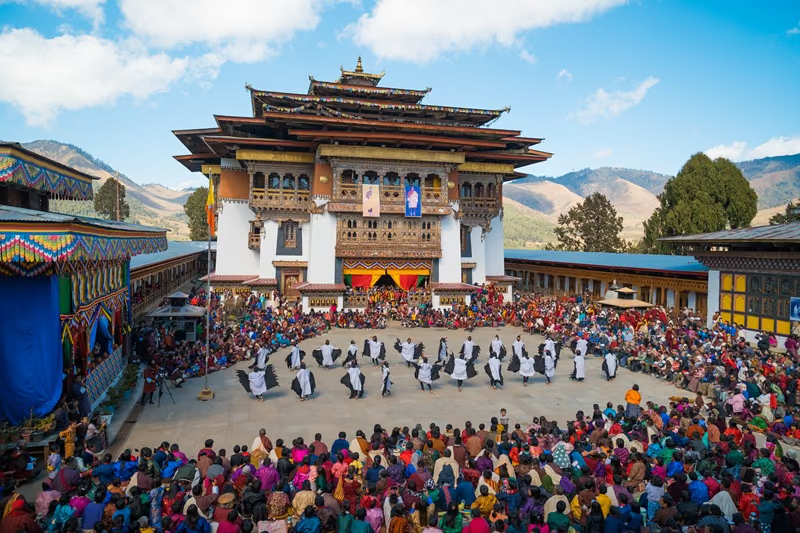
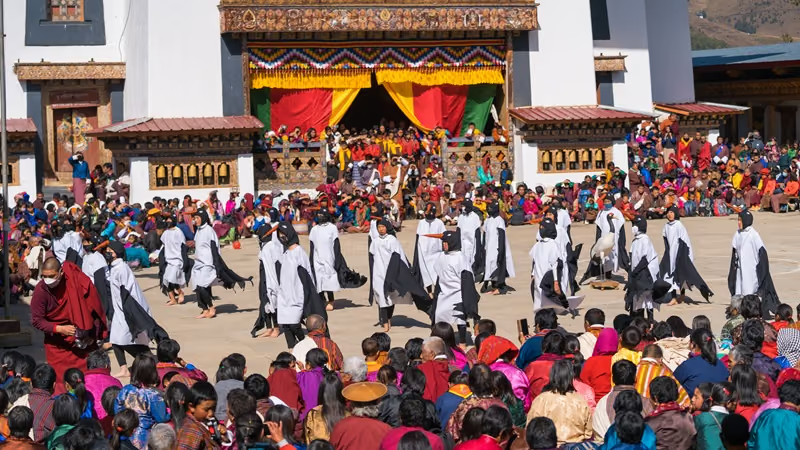
Masked dances, traditional dress, religious rituals and community gatherings make tshechus one of the most memorable ways to experience Bhutanese culture.
Festival dates follow the Bhutanese lunar calendar and can vary from year to year, so always check the latest Bhutan Festival Calendar before choosing your travel dates.
Go Trekking
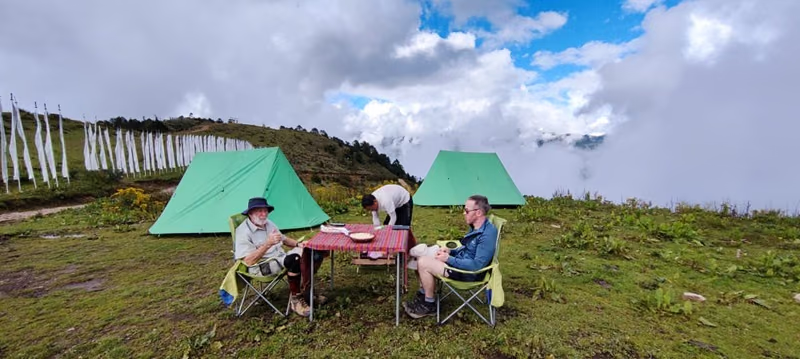
Spring is also one of the best seasons for trekking.
Popular routes such as the Druk Path Trek and Jomolhari Trek become increasingly accessible as conditions improve.
April and May are especially attractive for travellers who want to combine trekking with spring landscapes.
BROWSE TREKKING TOURS
Visit Tiger's Nest
Spring temperatures generally make the hike to Paro Taktsang, or Tiger's Nest Monastery, comfortable.
Morning departures are recommended, particularly during popular festival periods when Paro receives more visitors.
What to Know Before Visiting Bhutan in Spring
Spring is popular, particularly around major festival dates.
If your trip coincides with Paro Tshechu or another major festival, it is sensible to plan early. Popular hotels, preferred guides and convenient flights can become more limited as the festival approaches.
Weather can also change through the day, especially at higher elevations.
Pack layers together with a light waterproof jacket and comfortable walking shoes.
Spring Is Best For
Spring suits you particularly well if you enjoy:
Festivals and cultural experiences
Trekking and hiking
Rhododendrons and spring flowers
Birdwatching
Comfortable sightseeing weather
Photography
Summer in Bhutan
June, July and August
Summer transforms Bhutan into its greenest season.
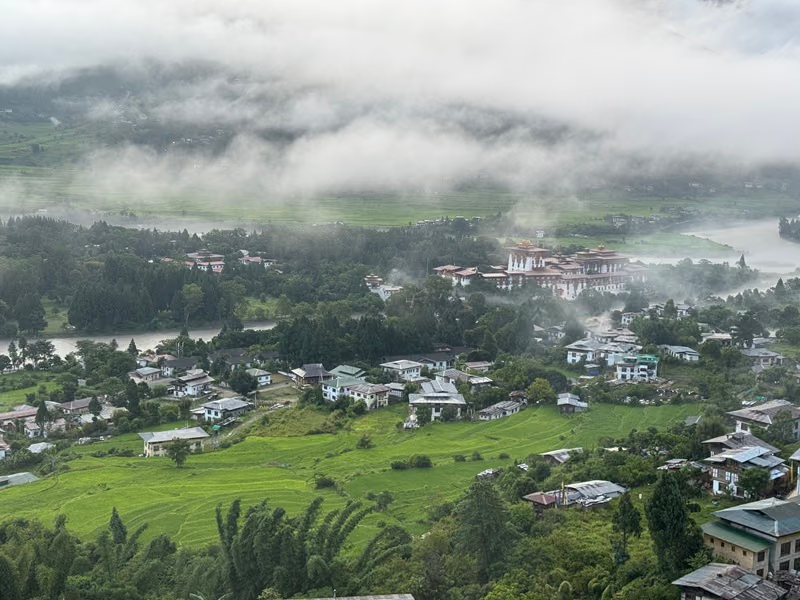
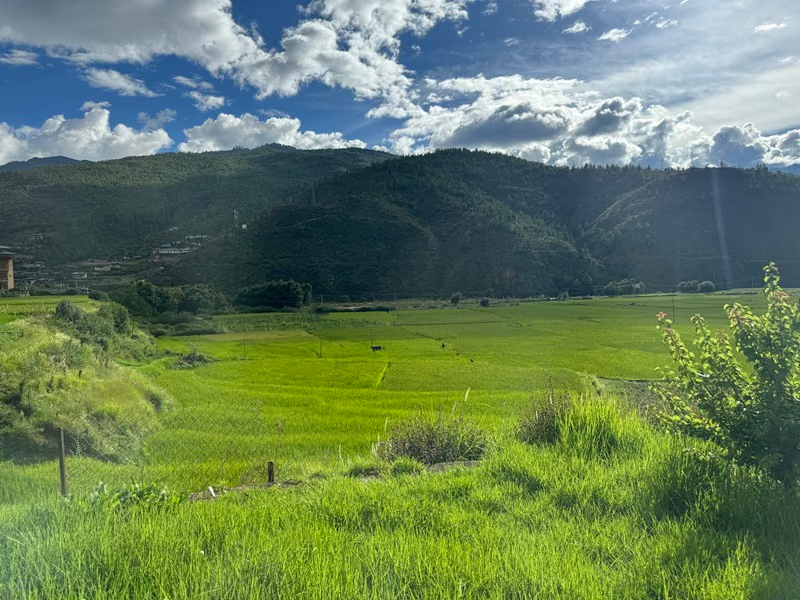
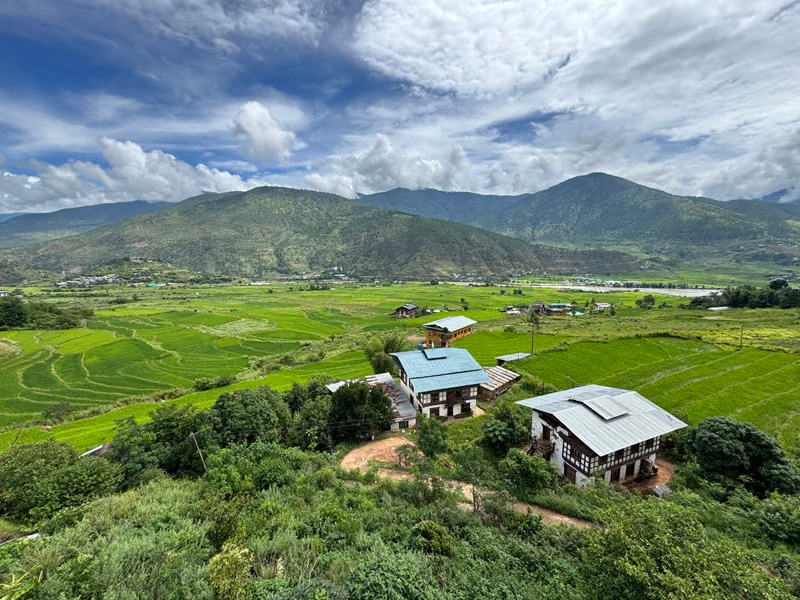
Rice terraces turn vivid shades of green, waterfalls become more dramatic and Bhutan's forests and valleys appear particularly lush. Summer also overlaps with the monsoon season.
Bhutan's official tourism guidance notes that the Indian monsoon mainly affects the southern regions and generally becomes more influential from late June or July through September. Conditions vary significantly across different parts of the country.
Rain does not necessarily mean continuous wet weather throughout every day. Some days can include periods of sunshine with showers developing later. For travellers comfortable with some rain, summer can reveal a completely different side of Bhutan.
What to Experience in Summer
See Bhutan at Its Greenest
Summer is an excellent time for travellers interested in landscapes.
The valleys around Paro, Punakha, Gangtey and Bumthang become intensely green, while rice terraces fill with colour.
Cloud and mist can also create atmospheric conditions for landscape photography.
Experience Summer Festivals
Bhutan continues to hold festivals during summer.
Events such as Nimalung Tshechu and Kurjey Tshechu in Bumthang provide opportunities to experience traditional masked dances, rituals and community celebrations outside the more heavily travelled spring and autumn periods.
Festival dates can change according to the lunar calendar, so check the current festival schedule before planning your trip.
Enjoy Quieter Cultural Sightseeing
Summer generally receives fewer international visitors than the peak spring and autumn periods.
Major attractions can therefore feel quieter.
This can be particularly enjoyable when visiting monasteries, museums, traditional villages and cultural sites.
Photograph Green Valleys and Rice Terraces
If your idea of Bhutan involves terraced fields, misty mountains and green landscapes, summer can be exceptionally photogenic.
Morning conditions can sometimes provide clearer views before clouds develop later in the day.
What to Know Before Visiting Bhutan in Summer
Bring waterproof clothing, quick drying clothing and suitable footwear.
Road journeys may also take longer following periods of heavy rain, particularly in more remote areas.
Long, high altitude treks are generally better planned for the drier spring or autumn seasons.
Short hikes, cultural journeys and lower elevation activities can still work well, depending on local conditions.
Summer Is Best For
Summer can suit you if you prefer:
Fewer visitors
Green landscapes
Rice terraces
Waterfalls
Cultural sightseeing
Photography with dramatic cloud and mist
A quieter pace of travel
Autumn in Bhutan
September, October and November
Autumn is one of Bhutan's most popular travel seasons.
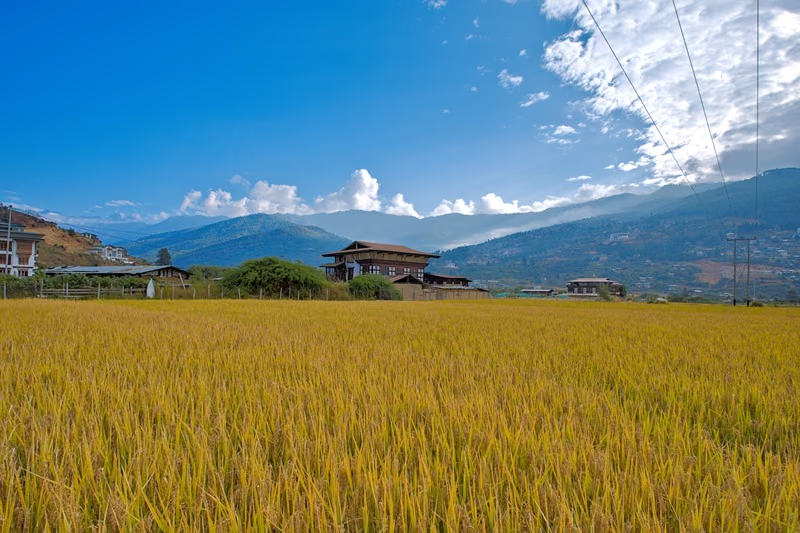
As the summer rains ease, conditions become drier and clearer. Rice fields turn golden before harvesting, mountain visibility improves and many important cultural festivals take place.
October and November are especially popular with travellers interested in trekking, photography and Himalayan views.
What to Experience in Autumn
Enjoy Clearer Mountain Views
One of autumn's biggest attractions is visibility.
As humidity decreases following the monsoon, mountain views can become clearer.
Places such as Dochula Pass can offer impressive Himalayan panoramas when conditions are favourable.
October and November are particularly appealing to photographers looking for clearer skies and dramatic mountain scenery.
Experience Major Festivals
Autumn is another important festival season.
Thimphu Tshechu is among the country's largest and best known celebrations.
Other festivals take place throughout Bhutan during this period, giving travellers opportunities to see sacred dances, traditional dress and Bhutanese communities gathering together.
Festival dates vary each year. Check the latest Bhutan Festival Calendar before booking your flights.
BROWSE FESTIVAL TOURSGo Trekking
Autumn is one of the best times for trekking in Bhutan.
Drier conditions, comfortable daytime temperatures and improved visibility make September through November popular with hikers.
Routes range from short day hikes to demanding multi day Himalayan treks.
See Bhutan's Harvest Season
Autumn also changes the appearance of Bhutan's valleys.
Rice fields around areas such as Punakha gradually turn from green to gold before harvest.
It is a particularly attractive season for travellers interested in rural Bhutan, photography and farming communities.
Visit Phobjikha Valley
November marks the arrival of one of Bhutan's most celebrated seasonal visitors.
Black necked cranes migrate into Bhutan for winter, with Phobjikha Valley among the most famous places to see them.
The annual Black Necked Crane Festival takes place in Gangtey on 11 November and celebrates the conservation of these remarkable birds.
What to Know Before Visiting Bhutan in Autumn
Autumn is popular.
October in particular can be busy around major festivals and trekking routes.
Book ahead if you have specific hotels, festivals, guides or flight timings in mind.
Temperatures can also vary considerably between sunny afternoons and evenings at higher elevations, so bring layers.
Autumn Is Best For
Autumn is particularly good for:
First time visitors
Festivals
Trekking
Himalayan views
Photography
Harvest landscapes
Comfortable sightseeing weather
Winter in Bhutan
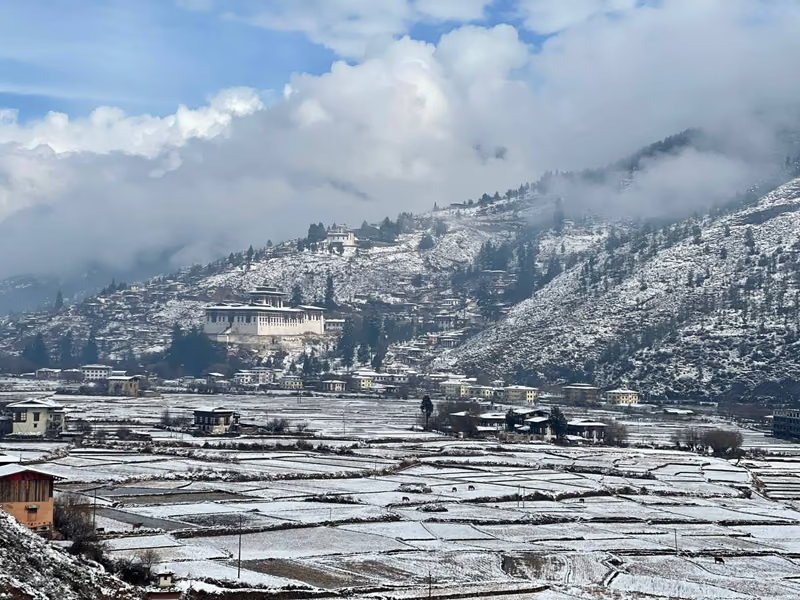
December, January and February
Winter is one of Bhutan's most underrated travel seasons.
Days can be crisp, dry and sunny, particularly in the western valleys. Nights and early mornings can become cold, especially in Paro and Thimphu. Snowfall is possible at higher elevations and mountain passes, while places such as Punakha remain considerably milder.
Bhutan's official tourism authority describes winter as a period of generally clear and sunny weather, with frost common across much of the country and snow more likely above approximately 3,000 metres.
For travellers who do not mind cooler temperatures, winter offers clear skies, quieter attractions and some excellent photography opportunities.
What to Experience in Winter
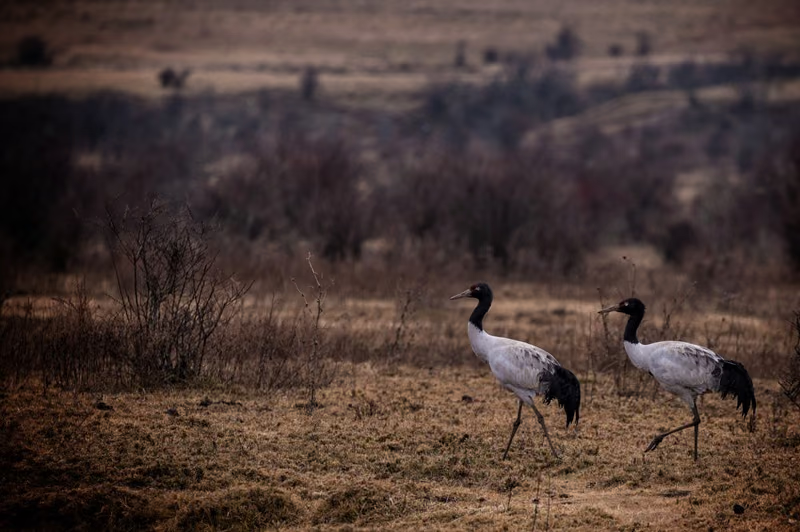
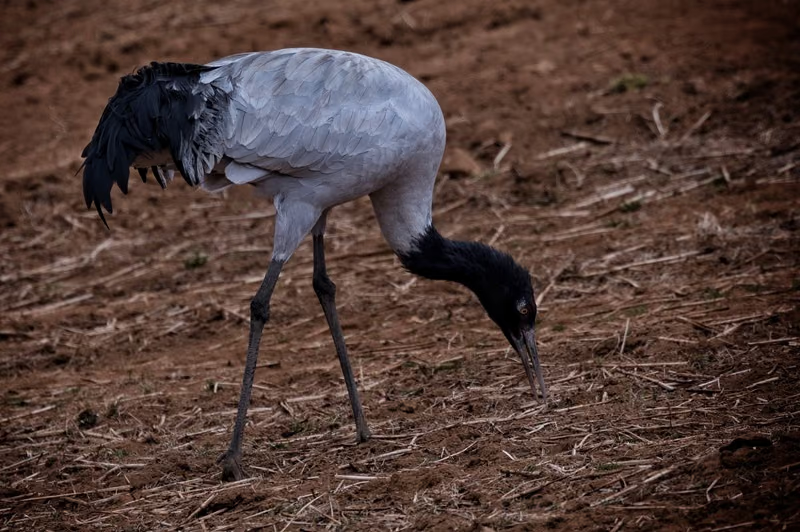
See Black Necked Cranes
Winter is the best season for seeing black necked cranes in Bhutan.
The birds migrate into valleys including Phobjikha for winter, generally arriving around November before returning north towards the end of winter.
Bhutan's tourism authority notes that the cranes can typically be observed around Phobjikha during the winter period, with November through February particularly associated with sightings.
A visit to Gangtey and Phobjikha is therefore especially rewarding during this season.
Enjoy Clear Himalayan Views
Winter's dry conditions can provide excellent mountain visibility.
Dochula Pass is particularly rewarding on a clear winter morning, when snow covered Himalayan peaks may appear along the horizon.
Experience Quieter Attractions
Winter receives fewer international visitors than spring and autumn.
Popular attractions such as monasteries, dzongs and hiking trails can therefore feel considerably more peaceful.
Experience Winter Festivals
Bhutan's festival calendar does not stop during winter.
Festivals such as Punakha Dromche and Punakha Tshechu bring religious dances, historical re enactments and colourful celebrations to Punakha. Trongsa also hosts an important winter tshechu.
Check the festival dates for your year of travel before planning your itinerary.
Enjoy a Traditional Hot Stone Bath
Cold evenings are an excellent excuse to experience a traditional Bhutanese hot stone bath.
River stones are heated over a fire before being placed into a wooden bathing chamber, warming the water naturally.
It is particularly enjoyable after a day of walking or sightseeing.
What to Know Before Visiting Bhutan in Winter
Pack warm layers, especially if you are travelling to Paro, Thimphu, Gangtey or higher elevations.
Morning temperatures can be cold.
Snowfall can occasionally affect mountain roads and high passes, although major western cultural itineraries remain possible throughout much of winter.
December is often a good option for travellers who want winter clarity before the coldest part of the season.
Winter Is Best For
Winter is particularly suitable for:
Black necked cranes
Clear mountain views
Photography
Quieter sightseeing
Travellers who prefer fewer visitors
Cultural journeys
Winter festivals
What Is the Best Month to Visit Bhutan?
There is no single best month because different months offer different experiences. However, these months are particularly popular for the following reasons.
March
March marks the transition into spring.
Temperatures begin to rise, flowers start appearing and outdoor sightseeing becomes increasingly comfortable.
It is a good time to visit before the busiest part of spring.
April
April is one of Bhutan's most popular travel months.
Spring is well established, rhododendrons begin colouring the mountain slopes and conditions are generally suitable for both cultural sightseeing and trekking.
Major festivals such as Paro Tshechu may also fall around this period depending on the lunar calendar.
May
May offers warmer conditions and increasingly green landscapes.
It can be a good option if you want spring scenery with potentially fewer visitors than during major April festival periods.
September
September marks Bhutan's transition from summer into autumn.
The countryside remains green while cultural festivals begin appearing on the calendar.
Rainfall can still occur, particularly earlier in the month.
October
October is one of the most popular months for travelling to Bhutan.
The weather is generally comfortable, trekking conditions improve and several major festivals take place.
Travellers hoping to visit during October should plan early.
November
November brings cooler temperatures but often excellent visibility.
It is particularly attractive for photography, mountain views, trekking and visits to Phobjikha Valley as black necked cranes begin their winter stay.
December
December can be a surprisingly good month to visit Bhutan.
Conditions are cooler but often dry, visitor numbers are generally lower and clear skies can provide excellent Himalayan views.
It is also an attractive period for photographers and travellers who prefer a quieter journey.
Best Time to Visit Bhutan for Festivals
Bhutan hosts festivals throughout the year, but spring and autumn contain many of the country's best known tshechus. Major festivals include:
Paro Tshechu
Thimphu Tshechu
Punakha Tshechu
Jambay Lhakhang Drup
Nimalung Tshechu
Kurjey Tshechu
Trongsa Tshechu
Black Necked Crane Festival
Festival dates are determined using the Bhutanese lunar calendar and can move each year.
You can also explore our Bhutan Festival Tours, which combine major cultural celebrations with Bhutan's essential attractions.
Best Time to Visit Bhutan for Trekking
For most trekking routes, the best times are generally:
April to May and September to November
These periods tend to offer more favourable walking conditions than the main summer monsoon months.
The best season still depends on the trek.
Some routes travel through considerably higher terrain than others, meaning snow, rain and temperature can affect accessibility differently.
If trekking is the main focus of your journey, explore our Bhutan Trekking Tours or speak with our travel specialists about the route most appropriate for your travel month and fitness level.
Best Time to Visit Bhutan for Photography
For clear mountain photography, October through December can be especially rewarding.
Winter's drier air often provides excellent visibility across high mountain passes.
Spring offers an entirely different photographic character, with rhododendrons, jacarandas and greener landscapes.
Summer is ideal if you prefer dramatic clouds, vivid rice fields, waterfalls and atmospheric mountain scenery.
For cultural photography, planning around one of Bhutan's traditional tshechus provides opportunities to photograph masked dances, traditional clothing, ceremonies and Bhutanese community life. Always photograph religious ceremonies respectfully and follow guidance from your local guide.
Best Time to See Black Necked Cranes in Bhutan
Plan your visit between November and February if seeing black necked cranes is a priority.
Phobjikha Valley is Bhutan's best known destination for crane watching.
The birds migrate to Bhutan for winter before returning north as temperatures begin to rise.
The Black Necked Crane Festival is held at Gangtey on 11 November and celebrates both the cranes and local conservation efforts.
When Is Bhutan's Rainy Season?
Bhutan's main rainy period falls during summer, with the Indian monsoon becoming influential from approximately late June or July through September. Rainfall is not uniform across Bhutan.
Southern regions generally receive considerably more rain than the central valleys and northern highlands.
A summer journey is therefore still possible, particularly for travellers focusing on cultural sightseeing rather than demanding high altitude trekking.
Expect some itinerary flexibility and bring appropriate waterproof clothing.
When Is the Peak Travel Season in Bhutan?
Spring and autumn are Bhutan's most popular travel seasons.
Demand can increase significantly around important festivals such as Paro Tshechu and Thimphu Tshechu.
October is traditionally a particularly popular travel period because of its combination of cultural events, trekking conditions and generally favourable weather.
If you prefer fewer visitors, consider :
| Month | Best For |
| May | Late spring conditions |
| November | Cooler autumn conditions and clearer mountain views |
| December to February | A quieter winter journey |
| June to August | Green landscapes and fewer international visitors. |
You can also explore our Bhutan Tourism Trends and Travel Report for more insight into how travellers are actually visiting Bhutan.
How Far Ahead Should You Book a Bhutan Trip?
For spring and autumn trips, planning several months ahead gives you the best choice of accommodation and flight schedules.
Plan even earlier if your dates coincide with a major festival.
Bhutan has a relatively limited tourism infrastructure compared with many larger destinations. Popular hotels, experienced guides and preferred flight timings can therefore become limited during high demand periods.
Travelling outside peak festival dates generally gives you more flexibility.
So, When Should You Visit Bhutan?
Choose your dates based on the experience you want most.
Choose March to May for spring flowers, festivals, trekking and birdwatching.
Choose June to August for lush green landscapes, rice terraces and fewer visitors.
Choose September to November for festivals, trekking, harvest scenery and clearer mountain views.
Choose December to February for crisp skies, peaceful sightseeing and black necked cranes.
For many first time visitors, April, May, October and November offer an excellent balance of weather, scenery and cultural experiences. But Bhutan rewards travellers in every season.
The better question is not simply, “What is the best time to visit Bhutan?”
It is:
What would you most like to experience when you are here?
Plan Your Bhutan Journey With Druk Asia
The right time to visit Bhutan depends on your interests, preferred pace and the places you want to see.
Druk Asia has specialised in Bhutan travel for more than a decade, helping travellers plan journeys that bring together flights, visas, hotels, guides, transport and carefully designed itineraries.
Explore our Bhutan Tours and Tour Packages for inspiration, or speak with our Bhutan travel specialists about creating a private journey around your preferred dates.
From spring festivals and Himalayan treks to autumn landscapes and quiet winter valleys, we can help you choose the season that fits the Bhutan experience you are looking for.
Frequently Asked Questions
What is the best time of year to visit Bhutan?
For most travellers, March to May and September to November provide an excellent combination of comfortable weather, outdoor activities and cultural festivals. Bhutan can still be visited throughout the year.
What is the best month to visit Bhutan?
April, May, October and November are particularly attractive for first time visitors. April and May offer spring landscapes, while October and November generally provide excellent conditions for sightseeing, trekking and mountain views.
Is October a good time to visit Bhutan?
Yes. October is one of Bhutan's most popular travel months because temperatures are generally comfortable, skies can be clear and trekking conditions are favourable. It is also festival season, so booking ahead is recommended.
Is December a good time to visit Bhutan?
Yes. December is a good choice for travellers who enjoy cooler weather, clearer skies and fewer visitors. It can be particularly rewarding for photography and Himalayan views.
What is the rainy season in Bhutan?
Bhutan's summer monsoon mainly affects the country from late June or July through September, with rainfall varying greatly according to region and elevation.
Is Bhutan worth visiting during summer?
Yes. Summer is one of the best times to see Bhutan's valleys, forests and rice terraces at their greenest. There are also fewer international visitors. Travellers should be prepared for rain and some flexibility with outdoor activities.
What is the best time to trek in Bhutan?
April to May and September to November are generally the most favourable periods for many Bhutan treks. Conditions vary according to the elevation and route.
When is the best time to visit Bhutan for festivals?
Many major festivals take place during spring and autumn, particularly from March to April and September to November. Bhutan also hosts festivals during summer and winter.
When can I see black necked cranes in Bhutan?
Black necked cranes can generally be seen in Bhutan during winter, particularly from November through February. Phobjikha Valley is one of the best known places to observe them.
When can you see snow in Bhutan?
Snow is most likely during winter at higher elevations and mountain passes. Paro and Thimphu can occasionally experience snowfall, but snow in the main valleys is not guaranteed.
Is Bhutan crowded during peak season?
Bhutan does not experience mass tourism on the scale of many destinations, but popular attractions, festivals, hotels and flights can become busier during spring and autumn. Festival periods in Paro and Thimphu are particularly popular.
How many days should I spend in Bhutan?
Seven days is a good starting point for a first trip covering destinations such as Paro, Thimphu and Punakha. Longer journeys of eight to ten days allow you to add places such as Gangtey and travel at a more relaxed pace.
What months should I avoid visiting Bhutan?
There are no months you strictly need to avoid visiting Bhutan, as the country can be travelled throughout the year. However, July and August are generally the least suitable months for travellers who want clear mountain views, long treks or consistently dry weather because they fall within Bhutan's summer monsoon period.
Rain can make some hiking trails muddy, clouds can reduce Himalayan visibility and road journeys may occasionally take longer.
That said, July and August can still be rewarding if you prefer fewer visitors, lush green landscapes, rice terraces and a quieter travel experience. The best month for your trip depends more on what you want to experience than on avoiding a particular season.
Is Bhutan good to visit in winter?
Yes. Winter can be an excellent time to visit Bhutan, especially if you prefer quieter sightseeing, crisp weather and clearer mountain views.
From December to February, days are often dry and sunny, although mornings and evenings can be cold, particularly in Paro, Thimphu and higher elevation areas. Punakha is usually milder.
Winter is also one of the best times to visit Phobjikha Valley to see black necked cranes, and attractions generally receive fewer visitors than during the busier spring and autumn seasons.
Snow is possible at higher elevations and mountain passes, but it is not guaranteed in the main valleys. Pack warm layers and allow some flexibility if your itinerary includes high altitude areas.
Ready to Experience Bhutan?
Talk to our Bhutan specialists — we've helped over 22,940+ travellers plan their perfect trip.
